Take payment the firearms counter can't lose to a chargeback
A licensed FFL dealer gets paid in stablecoins, to your Paymos balance, on a payment rail with no merchant category code to refuse you and no acquirer to drop a hold. A confirmed firearm or ammo sale is final. ATF Form 4473 and the FFL transfer stay with the dealer.
Where an FFL dealer's payment options get cut off
Why is it so hard for a licensed gun dealer to take card payment?
Four problems an FFL dealer hits taking firearm and ammo payments on card rails.
Major processors prohibit firearms outright
PayPal, Square, Stripe and most mainstream processors prohibit firearm and ammunition sales in their acceptable-use terms — a lawful, federally-licensed FFL dealer still can't use them. The category isn't illegal; it's excluded by policy, which forces dealers onto a narrow set of firearms-specialist acquirers from the start.
Issuer-side decline risk follows the category code
Even with a firearms-specialist acquirer, transactions can carry a category code that some card issuers flag or decline. There has been ongoing pressure to assign a dedicated merchant category code for gun retailers, and where that tracking exists it gives issuers and processors a lever to refuse or scrutinise sales. The dealer ends up exposed to decisions made well above the point of sale.
Specialist processors price the risk and add surcharges
Firearms-specialist processors underwrite the category, but they price it — commonly a 3.5–6% effective take-rate once monthly fees, per-transaction surcharges and account fees are counted. On a rifle sale or a high-value optic bundle that take is a real cut of a thin-margin retail transaction, and it sits on top of the cost of carrying inventory in a regulated business.
Holds and reserves freeze cash a small dealer can't spare
High-risk acquirers can place sudden holds or held-back reserves on firearms merchants, parking a slice of settlement for weeks against disputes or perceived risk. For a small FFL dealer running tight inventory cycles, money locked in a reserve is money not buying the next case of ammo or the next rack of rifles. The hold lands exactly when working capital is tightest.
What the gun counter and the web store now share
What does stablecoin settlement fix for an FFL dealer?
Four things that go right once firearm and ammo payments stop routing through card rails.

A rail that won't prohibit the category
A stablecoin payment carries no merchant category code, so there's no field for a processor or issuer to read and refuse — and no policy line that excludes a lawful FFL dealer at the door. The wallet settles a firearm or ammo sale like any other transfer. The regulated part — ATF Form 4473, the NICS background check, state waiting periods and the FFL transfer — stays with the dealer, where it belongs.

No surprise hold or reserve — funds are yours on confirmation
There's no acquirer that can drop a sudden hold or park a held-back reserve on your settlements. A customer pays and the funds credit your Paymos balance on confirmation, typically within minutes, available to restock. For a small dealer on tight inventory cycles, the cash arrives when the sale happens — not after a reserve releases weeks later.

A paid order is final — no chargeback on a completed sale
A confirmed payment can't be reversed by a bank, so there's no chargeback on a firearm or ammo sale you've already completed and transferred. A paid order stays paid. That removes the dispute exposure that drives holds and surcharges, and it means a completed FFL transfer isn't followed weeks later by a reversal pulling the money back.

Sell at the counter and online on the same rail
The same wallet payment works across the counter — the customer scans an invoice QR and pays from their phone — and online, where the buyer pays before the order ships to a receiving FFL. One rail covers in-store sales, online orders and accessory purchases, with the payment final on confirmation either way and no category exclusion in the path.
How an FFL dealer wires Paymos in
Which integration path fits a firearms retailer?
Three integration shapes sized to counter sales, online orders and wholesale.
Hosted Checkout — online firearm and accessory store
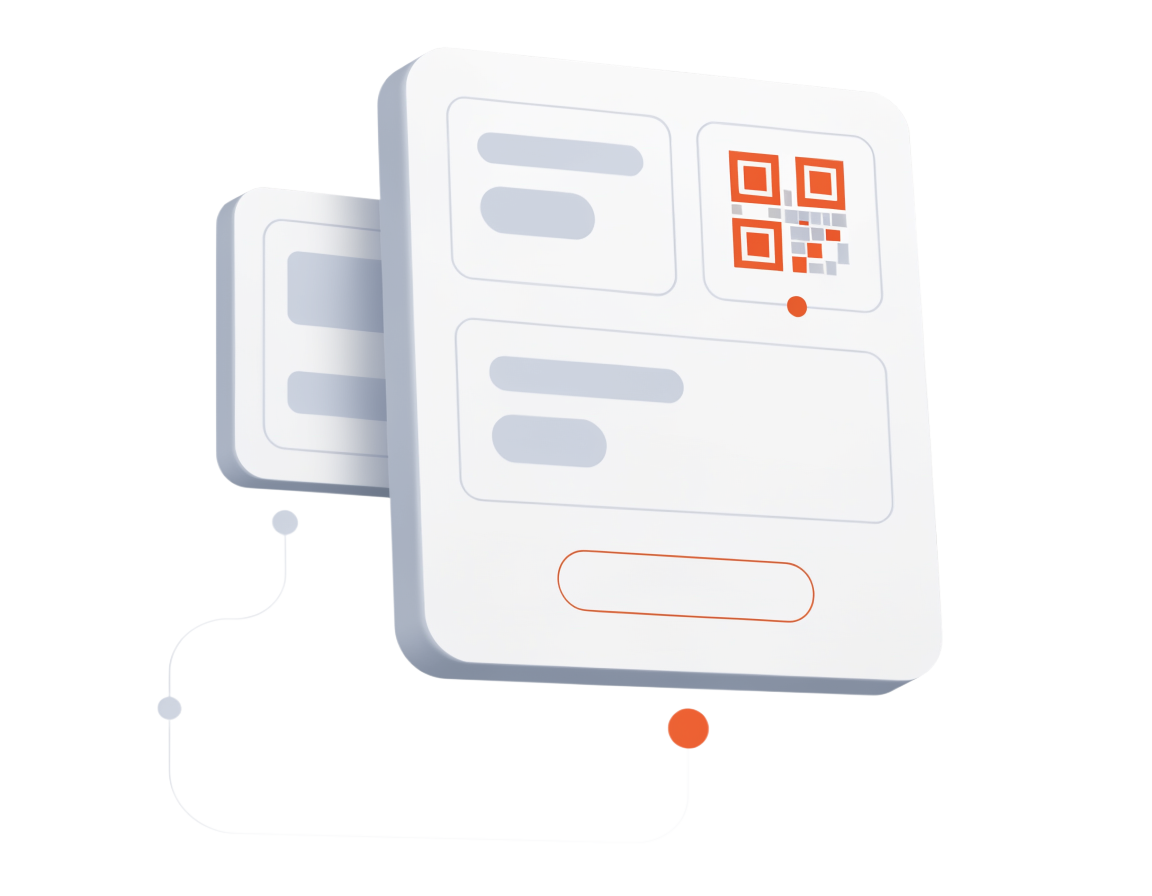
For an online firearms and ammo store, Hosted Checkout takes the customer from product page to wallet-paid invoice in one full-screen flow. The buyer pays before the order ships to a receiving FFL, you receive a confirmation, and your store marks the order. The FFL-transfer paperwork and 4473 happen at pickup; Paymos handles the payment leg only.
See details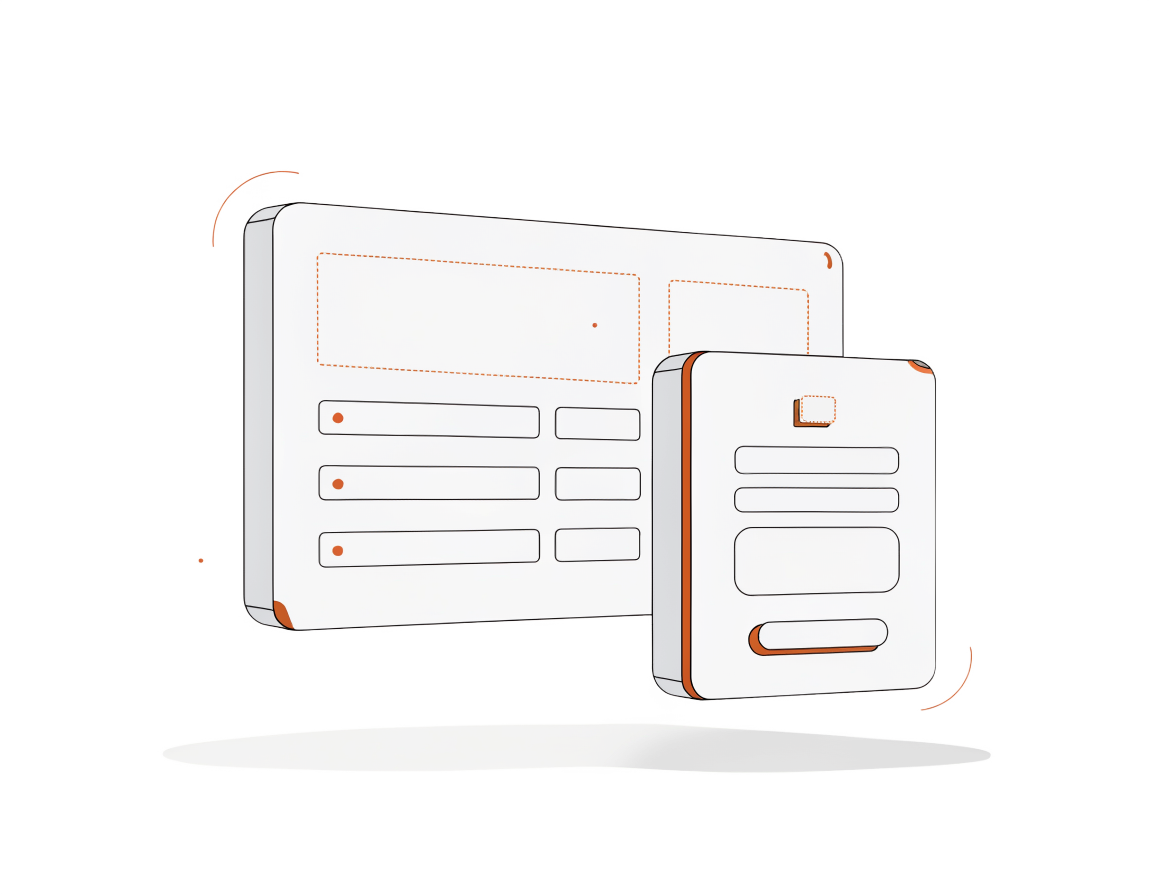
Embedded Checkout — counter sale from your phone or POS
At the counter, generate an invoice and let the customer scan and pay from their phone wallet inside an embedded flow on your site or POS. The payment credits your Paymos balance on confirmation while you run the 4473 and the NICS check. No card terminal in the firearms transaction, and no per-swipe surcharge on the sale.
See details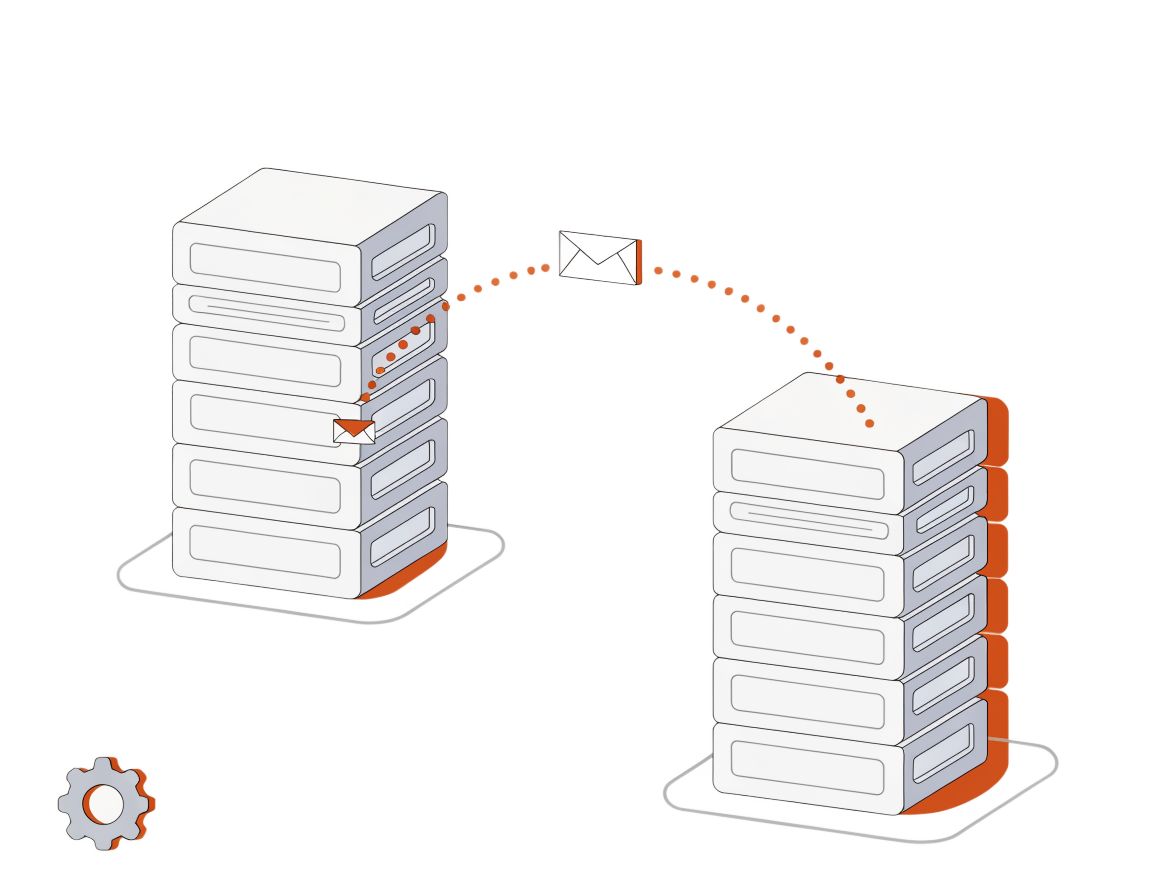
Payment Links — high-value and wholesale orders
For a high-value rifle, a custom build, or a wholesale order between licensees, generate a payment link with a fixed amount and expiry and send it over. The buyer pays from their wallet — corporate wallet for wholesale — and the receivable closes on confirmation, with a real invoice attached and no multi-day processor review on a large ticket.
See detailsFFL dealer flows that run cleanly today
What firearms-retail patterns work on wallet settlement?
Four flows from real FFL setups — online order, counter sale, accessories and wholesale.
Online rifle order to a receiving FFL — Hosted Checkout
A customer buys a rifle online for transfer to a local FFL. They pay through Hosted Checkout from their wallet, the confirmation reaches your system in minutes, and you ship to the receiving dealer. The payment is final on confirmation, so the sale is settled before the transfer paperwork even begins — and there's no chargeback window behind a completed transfer.
Counter ammo and accessory sale — Embedded Checkout
An in-store ammunition or accessory purchase. The customer scans the invoice QR and pays from their phone wallet, the funds credit your Paymos balance on confirmation, and there's no card terminal and no per-swipe surcharge on the sale. Cash and cards stay for everyone else; the wallet captures the buyers who prefer it.
High-value optic or custom build — Payment Link
A premium optic bundle or a custom build runs as a Payment Link with a fixed amount and a short expiry. The customer opens it, picks their wallet, and pays. Funds arrive on confirmation with no surprise hold and no reserve held back against a high-value sale, and a real invoice is attached for the customer's records.
Wholesale order between licensees — Payment Link
A wholesale order between FFL licensees. You generate a payment link for the agreed amount; the buying licensee pays from a corporate wallet; the receivable closes on confirmation. No recalled-wire risk over a large inter-dealer order, and the payment is final the moment it clears.
Firearms retail on stablecoin rails
Frequently asked questions
Does Paymos require me to hold a Federal Firearms License?
How does this work with the FFL transfer and the 4473?
What about a chargeback if a transfer is denied at the receiving FFL?
Do firearms buyers pay in stablecoins?
How do refunds and restocking work end-to-end?
What happens if a regulator asks you to stop processing for my shop?
Honest disqualifier
When NOT to use Paymos for a firearms shop
Four cases where the counter and the transfer desk outweigh the rail.
Your counter trade is cash and cards, end to end
A counter sale at a local gun shop runs on cash and cards, and few buyers will stand at the 4473 desk setting up a wallet. The rail earns its keep online — where firearms merchants get refused processing — and on high-ticket builds paid by crypto-holding collectors. Keep the terminal for the floor; add the wallet where cards already fail you.
You need a card terminal for impulse accessory volume
Scope rings, targets, a box of 9mm — small accessory tickets move fastest on a tap, and a wallet confirmation adds seconds the queue notices. Put Paymos on the serialized sales, the online orders shipped to a transfer dealer and the four-figure tickets where processor risk bites hardest, and let the card terminal keep the impulse lane.
You expect Paymos to run the background check
Paymos settles the payment; it doesn't run NICS, fill out the 4473, enforce waiting periods or manage the FFL transfer. If you're looking for a partner to carry the regulated firearms process, that's your responsibility as the licensee, not the payment rail. Use Paymos for final settlement and run the compliance process the law requires.
You want the rail to answer whether a sale is lawful
FFL coverage, the 4473, the NICS check, state waiting periods, the FFL-to-FFL transfer on shipped orders — that process is yours as the licensee, and so is the exposure when it's skipped. Paymos doesn't verify any of it and doesn't rule on a sale's legality; the ATF won't read the payment method either way. The rail starts where your regulated process ends.
Related flows
Other Adult & High-Risk sub-niches on Paymos
Pricing
1.0% on a settled sale. No held-back reserve, no per-swipe surcharge
Paymos is one percentage on the box of ammo and on the four-figure rifle, with the deposit network cost on us and no second fee to pay your balance out. 0.3% is open from your first sale: turnover and the average ticket are what we read. Firearms pricing is never one number elsewhere: a specialist processor lands around 3.5–6% effective once surcharges and monthly account fees stack up, and a high-risk acquirer can still park a 3–6 month reserve behind that. Gateways headlining near 0.5% land around 1.5–2%+ once the swap, the transfer and the gas the merchant pays are counted.
See pricing