Fund a crypto loan the second collateral lands
Move loan-related payments in stablecoins through a crypto payment processor. Confirmed transfers carry no card-network chargeback right; lending licences and borrower controls remain with the operator. State lending registration stays with the operator.
Where a crypto-lending desk loses ground on bank rails
Why does a lending platform struggle to bank its own flows?
Four problems a compliant crypto-lending operator hits trying to move money on traditional rails.
Banks de-risk crypto lenders out of the account
Even a licensed lending platform finds its fiat banking precarious — correspondent banks de-risk crypto-adjacent businesses, accounts get reviewed and closed with little notice, and a lender that can't reliably hold or move fiat can't reliably operate. The category isn't illegal; it's unwelcome at most banks, and that turns a core function into a recurring scramble.
Card and bank disbursements can be reversed after the loan funds
Push a disbursement over a card or bank rail and the transfer carries reversal risk — an ACH return, a card chargeback, a recalled wire — that can land after you've already advanced funds against collateral. For a lender, a reversible outbound payment is an open exposure on the book until the window closes, and the window can be months.
Specialist processors hold a reserve against your volume
When a high-risk processor does underwrite the category, it prices the risk and holds a reserve — commonly a slice of settlement parked for 90–180 days against future disputes. For a lending desk where capital efficiency is the whole game, money locked in someone else's reserve is capital you can't deploy, earning for them instead of funding loans.
Fiat conversion adds cost and a custody step you don't want
Routing collateral and repayments through a fiat conversion adds a markup and an extra custody hop, and it reintroduces exactly the bank dependency you were trying to avoid. Borrowers who already hold stablecoins don't want a fiat round-trip in the middle of a loan, and every extra hop is another point of failure between the borrower and the desk.
What changes when value moves wallet-to-wallet
What does stablecoin settlement fix for a lending desk?
Four things that go right once collateral and repayments move in stablecoins.

A rail no bank can close for the niche
Stablecoin transfers don't depend on a correspondent bank that can de-risk you out of the account. Collateral comes in, disbursements go out and interest is repaid wallet-to-wallet, on infrastructure that settles the category like any other transfer. Your lending licences and AML/KYC stay with the operator; the payment rail stops being the part of the business that can disappear.

Transfers can't be clawed back — the exposure closes on confirmation
A confirmed stablecoin transfer is final — no ACH return, no chargeback, no recalled wire landing weeks after you advanced funds. Collateral that's received is received; a repayment that's confirmed is settled. That removes the reversal exposure that sits on a lender's book with card and bank rails, and it lets you treat a confirmed payment as done.

No reserve — capital stays deployable
There's no processor parking a quarter or two of settlement against future disputes, because there are no disputes to reserve against. Funds credit your Paymos balance on confirmation and stay there, available to lend. For a desk that lives on capital efficiency, the difference between money in a third-party reserve and money in your treasury is the difference between idle and working capital.

No fiat round-trip — borrowers pay in what they hold
Borrowers who already hold USDC, USDT or DAI fund collateral and repay interest directly, with no fiat conversion and no extra custody hop in the middle. You receive the same asset the borrower sent, settle it to your Paymos balance, and skip the bank dependency entirely. Want fiat at the edges? You convert on your own treasury schedule, not on every transaction.
How a lending platform wires Paymos in
Which integration path fits a lending product?
Three integration shapes sized to retail borrowers and institutional desks.
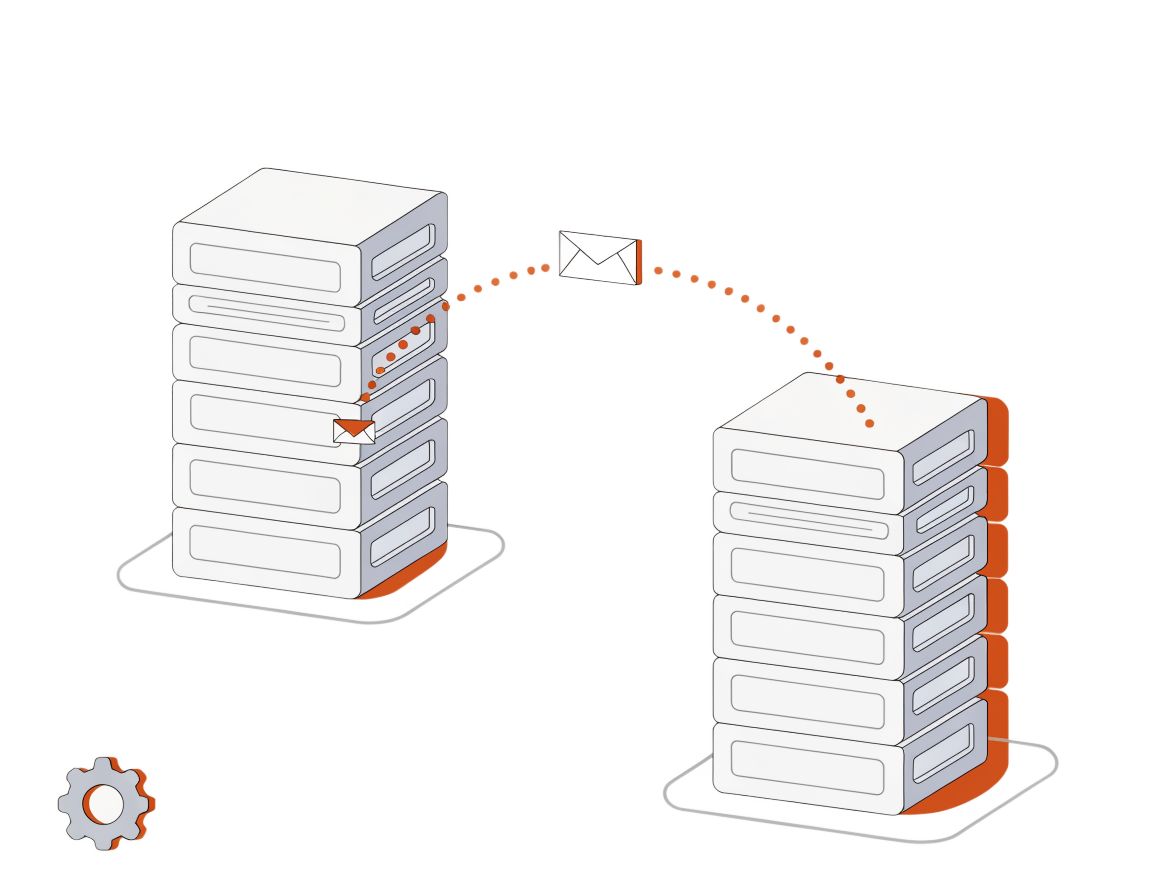
Hosted Checkout — retail collateral top-up and repayment
For retail borrowers, Hosted Checkout takes the collateral deposit or interest payment from a request in your app to a wallet-paid invoice in one flow. The borrower pays from their wallet, you receive a confirmation, and your loan ledger marks the deposit or repayment. No code on your payment screen and no card rail in the loop.
See details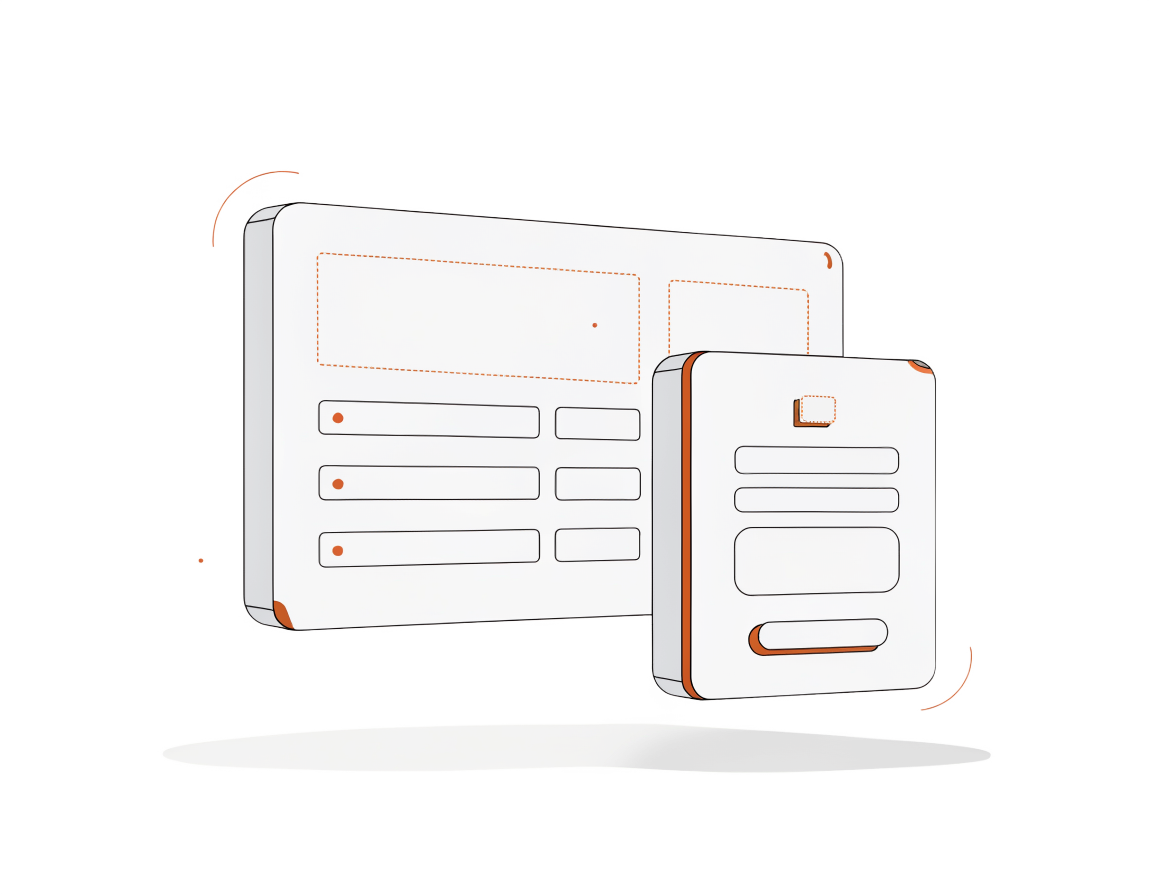
Payment Links — institutional disbursements and large collateral
For large collateral postings or institutional repayments, generate a payment link with a fixed amount and expiry and send it to the counterparty. They pay from a corporate wallet and your receivable closes on confirmation — a clean fit for desks that want a real invoice attached to a high-value movement, with no multi-day processor review.
See details
Host-to-Host API — your own loan and ledger engine
Run your own loan servicing engine and the host-to-host API exposes create-invoice, watch-confirmations and signed (HMAC-SHA256) webhook delivery across the supported networks. Your servicing logic drives loan origination, collateral calls and interest accrual; Paymos handles the payment leg and posts confirmations back so your ledger stays in step.
See detailsLending-desk flows that run cleanly today
What lending patterns work on wallet settlement?
Four flows from real crypto-lending setups — retail, institutional, interest and collateral return.
Retail collateral deposit — Hosted Checkout
The everyday retail flow: a borrower posts collateral to open a loan. They pay from their wallet through Hosted Checkout, the confirmation reaches your system in minutes, and your loan ledger opens the position. The transfer is final on confirmation, so the collateral is on the book the moment it clears — no reversal window behind it.
Institutional disbursement — Payment Link
A large institutional drawdown against posted collateral. You generate a payment link for the disbursement (or the counterparty does for a repayment), it's paid from a corporate wallet, and the movement closes on confirmation. No recalled-wire risk hanging over a high-value transfer, and no reserve held back against it.
Recurring interest payment — renewal invoice
For an interest-bearing loan, each period your servicing engine issues a renewal invoice the borrower pays from their wallet — no card to expire, no standing pull. The payment confirms, your ledger accrues it, and a missed period surfaces to you via webhook instead of a silent card decline. The borrower stays in control of every cycle.
Collateral return on repayment — outbound transfer
When the loan is repaid in full, returning the collateral is an outbound transfer from your Paymos balance to the borrower's wallet, started from the dashboard or API. It's final on confirmation, and the release waits on no clearing cycle and no bank's decision to move — your ledger marks the loan closed and the collateral goes back out.
Crypto lending on stablecoin rails
Frequently asked questions
Does Paymos require my lending platform to be licensed?
How are transfers final if there's no chargeback mechanism?
How does Paymos handle collateral that needs to be returned or liquidated?
Which networks and stablecoins do borrowers use?
Can Paymos hold or custody the collateral for me?
What happens if a regulator tells you to stop processing for my lending platform?
Honest disqualifier
When NOT to use Paymos for a lending platform
Four cases where a lending desk needs more than a payment rail.
Your borrowers are fiat-first retail with no wallet
If your lending product serves mainstream retail borrowers who fund and repay in fiat and have never held a stablecoin, asking them to acquire and use a wallet mid-loan adds friction the conversion can't absorb. Paymos fits crypto-native borrowers who already hold stablecoins; for a fiat-first book, the wallet rail is a poor first touch even if the back-end economics appeal.
You need a banking partner, not a payment rail
If the real gap is a chartered bank to hold deposits, issue accounts or provide a credit facility, Paymos doesn't fill it — it settles stablecoin transfers, it isn't a bank. Pair the payment rail with the banking and custody relationships your model requires; don't expect it to replace the regulated balance sheet your lending operation depends on.
You expect Paymos to underwrite or price loan risk
Paymos moves the payment; it doesn't assess borrowers, price collateral, set LTVs or make credit decisions. If you're looking for a partner to take loan risk or run the servicing logic, that's your engine and your team, not the payment rail. Use Paymos for reliable, final settlement and keep the credit decisions where they belong.
You're treating the rail as a substitute for lending registration
State lending licences, usury caps, disclosure regimes — whether your product may be offered in a market is your analysis and your exposure, and it doesn't change with the settlement asset. Paymos doesn't assess your registrations and doesn't rule on them; it settles the transfers. Resolve the regulatory perimeter with counsel before routing volume through any rail.
Related flows
Other Adult & High-Risk sub-niches on Paymos
Pricing
1.0% per settled payment — 0.3% on request, no reserve on your capital
A lending desk moves money in both directions and only one of them is chargeable here: the collateral deposit carries the percentage, the disbursement carries none. The network cost of accepting is ours, and there is no second fee to send the loan out. Talk to us about 0.3% from your first payment — the answer rests on turnover and the networks borrowers use. Card processors willing to underwrite the category price it far above standard and hold reserves for months, and a crypto gateway headlining near 0.5% arrives around 1.5–2%+ once its swap, its transfer and the gas it passes to you are added.
See pricing