Bank every fill on a rail no underwriter can pull
Pharmacy and telehealth-Rx orders come through a crypto checkout and land in your Paymos balance in stablecoins, each one paid by the patient and final once it confirms. There's no high-risk application to survive, no account closed because the category spooked an acquirer, and every refill is an invoice the patient chooses to pay — never a card you push. VIPPS standing, FDA compliance and DEA registration stay with the operator.
Where the card rail fails a legitimate pharmacy
Why does online pharmacy sit near the top of every processor's no list?
Four problems a VIPPS-certified pharmacy or telehealth-Rx service hits on cards — the blanket category ban, the underwriting wall, the priced-in risk, and refills that break mid-protocol.
Years of rogue pharmacies poisoned the category for everyone
Online pharmacy ranks among the hardest categories on cards. A decade of no-prescription and counterfeit operators trained the networks to treat the whole vertical as suspect, so the underwriter starts from a presumption of guilt — not from your VIPPS certification or your clean dispensing record. A single policy shift at the acquirer can sweep a fully licensed pharmacy out alongside the bad actors, and you find out when the deposits stop.
The application itself can take weeks and still get a no
Full credentials don't shortcut the high-risk application. Expect a documentation pack, an interview, and a wait measured in weeks before a single fill can be billed — followed by a real chance of rejection or an approval hedged with so many conditions it can be revoked on a quarter's notice. The handful of acquirers that touch the category know they hold the upper hand, and they price and term the deal accordingly.
The acquirer prices the category and parks a reserve
An acquirer that does underwrite a pharmacy charges for the privilege. Effective rates commonly land at 4–7% once surcharges are counted, with a reserve held 90 to 180 days against disputes that may never arrive. Revenue you've already earned becomes working capital you can't deploy, and the drag compounds across every fill and every refill cycle.
A silent card decline interrupts a medication, not only a sale
Maintenance therapy runs on refills, and the card rail leaks them. Cards expire between cycles, reissue with numbers the account-updater misses, or trip a 3DS or SCA step-up that quietly fails. On a chronic-care plan that decline doesn't only churn revenue — it stalls a dose the patient was counting on. The failure that costs you the renewal also breaks the patient's schedule, which makes involuntary churn a clinical problem as much as a financial one.
What a dispensed fill is worth after it ships
What does a stablecoin rail fix for an online pharmacy?
Four things go right once a fill isn't routed through an acquirer that can reject, dispute, reserve, or terminate it.
Nothing for an underwriter to judge the category on
An on-chain payment isn't tagged with the pharmacy category the card networks gate on, so there's no application to clear and no acquirer reviewing whether your vertical is worth the risk this quarter. A confirmed fill arrives to your Paymos balance as an ordinary transfer. The regulated layer — VIPPS and NABP standing, valid prescriptions, state pharmacy-board licensing, FDA and DEA obligations — stays the operator's, exactly where the law puts it.
A dispensed fill stays paid — no clawback after the medication ships
A confirmed on-chain payment is final; no bank reverses it weeks after the prescription went out the door. So the cluster of disputes that pushes a pharmacy toward monitoring thresholds — and the reserve and account closure that follow — never gets a foothold. A paid fill is a closed fill, and the freeze risk hanging over every card-rail pharmacy account isn't part of this model.

Your working capital funds the next order, not the acquirer's balance sheet
Nothing is held back against disputes that can no longer happen. The patient pays, the funds confirm to your Paymos balance — typically in minutes, sized to the ticket — and they're available the same day to restock inventory and cover operations. The slice a high-risk acquirer would park for months stops earning a return for them and starts funding your next purchase order.

Refills run on the patient's action, not a card that fails silently
Each cycle goes out as a renewal invoice the patient settles from their own wallet — no stored card to expire mid-protocol, no account-updater miss, no foreign-issuer step-up to trip. A patient continuing therapy pays it and your dispensing keys off the confirmation; a patient stopping lets it lapse, and your webhook records a clean discontinuation rather than a failed charge. The schedule never breaks because a card quietly declined.
How a pharmacy wires it in
Which integration path fits a pharmacy or telehealth service?
Three shapes sized to the single fill, the recurring refill, and the high-value specialty order.
Hosted Checkout — single fills and telehealth-Rx orders
For a one-off fill or a telehealth-Rx order, Hosted Checkout carries the patient from your portal to a wallet-paid invoice in one mobile-first flow. The payment confirms, your pharmacy system keys the dispense off the webhook, and nothing in the prescription path moves until your own pharmacist review clears it. Paymos handles only the money leg; the clinical decision stays entirely yours.
See details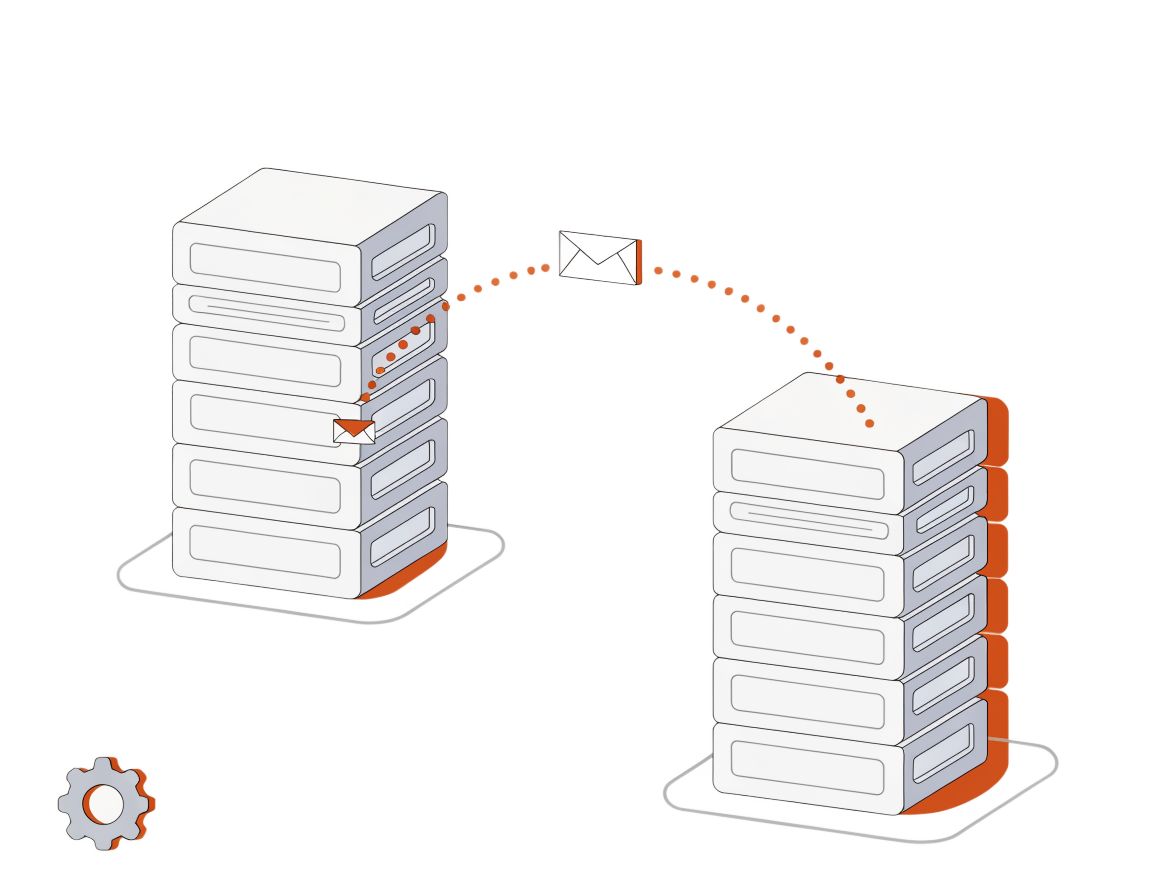
Host-to-Host API — refill billing inside your own platform
If you run your own pharmacy or telehealth platform, the host-to-host API gives you create-invoice, confirmation polling, and HMAC-SHA256-signed webhooks across the supported networks. Each refill cycle your billing job asks Paymos for a fresh renewal invoice, the patient pays it from their wallet, and the confirmation tells your dispensing and adherence workflow the cycle is funded and clear to fill.
See details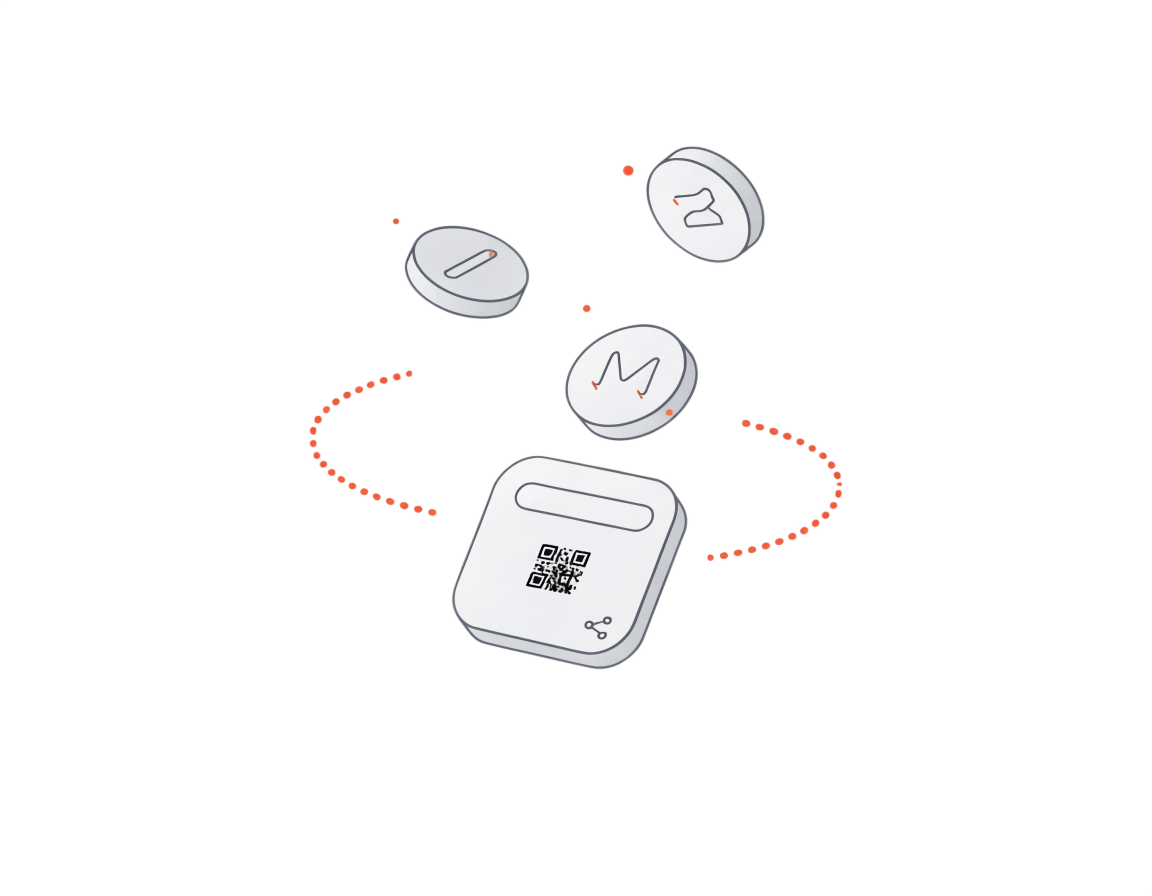
Payment Links — high-value specialty fills
For a specialty medication, create a fixed invoice with an expiry and send its hosted link to the patient. Confirmation closes the receivable while clinical review and dispensing remain in your existing workflow. No API integration is required for an individual order.
See detailsPharmacy flows that run on this rail today
What pharmacy patterns work on wallet settlement?
Four setups from real pharmacy operations — the single fill, the maintenance refill, the specialty order, and the telehealth visit plus script.
Single prescription fill — Hosted Checkout
The everyday one-off. A patient fills one prescription, pays through Hosted Checkout from their wallet, and the confirmation reaches your system in minutes so your pharmacist review and dispense can proceed. Once it confirms the sale is closed — no slice held on a reserve, and no chargeback window that can reopen the order weeks after the medication was delivered.
Maintenance therapy — a refill the patient initiates
A chronic-care patient on a recurring medication. Each cycle your system issues a refill invoice they settle from their wallet, so an expired card can never silently stall a dose. The patient pays to continue and your workflow dispenses off the confirmation; when therapy ends they let the invoice lapse and your webhook logs a real discontinuation — a clean adherence signal instead of a guess from a declined charge.
High-value specialty medication — Payment Link
A four- or five-figure specialty fill. You send a payment link with a set amount and a short expiry; the patient opens it, picks a wallet, and pays. The receivable closes on confirmation with no reserve carved out of a large ticket, a real invoice attached for both ledgers, and the clinical review and dispensing handled in your workflow as today.
Telehealth visit plus prescription — Hosted Checkout
A telehealth consultation that ends in a prescription. The patient pays the visit and the fill through Hosted Checkout from their wallet; both confirm, and your platform records the consult and proceeds to the dispense. Each leg is final once it confirms, so a card-rail decline can't interrupt a time-sensitive care flow part-way through.
Online pharmacy on a stablecoin rail
Frequently asked questions
Does Paymos check my VIPPS certification or licensing before it processes a fill?
With no chargeback to file, what happens when a patient disputes a fill?
Does Paymos verify prescriptions or enforce controlled-substance rules?
Do pharmacy patients pay in stablecoins?
How do refunds and cancelled fills work end to end?
What if a regulator orders you to stop processing for my pharmacy?
Honest disqualifier
When NOT to use Paymos for an online pharmacy
Four cases where a pharmacy's payments belong elsewhere — be honest about which one is yours.
A real share of your patients pay with HSA or FSA dollars
An HSA or FSA balance can only move through its linked card network — there's no path to spend tax-advantaged health dollars from a crypto wallet. If a meaningful slice of your out-of-pocket volume rides those accounts, dropping the card option penalises your own patients rather than your acquirer. Keep cards for HSA and FSA spend, and let the wallet rail carry the rest of cash-pay where the reserve and freeze relief counts most.
Your revenue is insurance-billed, not paid out of pocket
If your pharmacy runs primarily on insurance and PBM adjudication, the patient-payment leg is a thin slice and a wallet rail won't move your core economics. Paymos fits cash-pay, direct-to-patient and telehealth-Rx flows where the patient pays the bill themselves. For an insurance-first operation the rails that matter are the PBM and claims systems, not a checkout — this isn't the lever for you.
You need a partner to carry the clinical compliance
Paymos settles money; it doesn't validate prescriptions, run pharmacist review, query the PDMP, or enforce DEA rules. If what you want is a processor that shoulders the clinical and controlled-substance side, that lives in your pharmacy workflow, not the payment layer. Use Paymos for final settlement and refill billing, and keep every clinical and regulatory decision where your licence puts it.
You're hoping the rail papers over a missing credential
VIPPS standing, state board licences, DEA registration for controlled substances — that stack is the pharmacy's to hold and defend in every state it ships to, and it doesn't bend with the settlement asset. Paymos doesn't review credentials and won't stand between you and the board or the DEA. Map the credentials first; once they're in place, the payment rail is the easy part.
Related flows
Other Adult & High-Risk sub-niches on Paymos
Pricing
1.0% on a settled fill. No reserve held back
A pharmacy's fee is charged on the fill that settles and on nothing else: no monthly platform line, no charge on a prescription that lapsed before payment, no reserve standing between the fill and your balance. Routine refill or five-figure specialty, it is the same percentage, the cost of accepting inside it. 0.3% is there to ask for from the first fill; how many fills clear and what they are worth decide it. A high-risk pharmacy acquirer commonly runs 4–7% effective and holds a reserve for 90 to 180 days, while gateways headlining near 0.5% settle closer to 1.5–2%+ once swap, transfer and gas are counted.
See pricing