Bill adult dating, a category the card networks refuse
Bill subscriptions, credit packs and VIP tiers as crypto payments, in stablecoins straight to your Paymos balance. No category code for an acquirer to read and refuse, no held-back reserve, no paid order that flips to a dispute. Age verification and 18+ gating stay where they belong — with the operator.
Where dating-platform revenue gets refused or held
Why does the dating category force premium pricing and reserves?
Four costs baked into running a licensed adult-dating cashier on card rails.
Stripe and PayPal decline adult dating outright
Stripe's Restricted Businesses page lists dating sites with adult or sexual elements, escort-introduction and casual-encounter platforms as prohibited — regardless of operator license or age verification. PayPal's Acceptable Use Policy applies an equivalent exclusion, and Square echoes it. For a licensed platform the only path is a dedicated adult-specialist acquirer, and from that point its underwriting decides your terms.
The specialist processor prices the risk — and holds a reserve
Adult-specialist processors run well above generic card pricing for dating, with the exact rate set per merchant on dispute history and volume. Stack monthly platform fees and per-decline fees on top, plus a chargeback reserve they hold for months — and a recurring subscription gives up a real cut to the processor before you pay for hosting, moderation, support and the age-verification vendor.
Dispute rates keep the account on a short leash
Dating runs hot on disputes — “didn't recognise it,” a partner who saw the statement, a refund demand after a bad date. Adult-dating sits above the card networks' excessive-dispute line for the category, which is why the reserve exists and why the contract lets the processor suspend the account on short notice if the ratio drifts. The reversals come out of your settlement regardless.
Age-verification laws keep redrawing your map
Texas HB 1181 (upheld by the US Supreme Court in 2025), Louisiana Act 440 and Utah SB 287 each require age verification before adult material loads, and the list of states keeps growing. That shrinks where you can serve and adds a verification vendor to your cost stack — and a high-risk acquirer reads every headline as one more reason to re-underwrite your account. The compliance is the operator's; a payment rail that adds its own friction on top is the last thing you need.
What a rail that never reads your category changes
What does stablecoin settlement fix for a dating platform?
Four things that go right once subscriptions and unlocks leave the card rails.

A rail that won't shut you down over the category
A stablecoin payment carries no merchant category code, so there's nothing for Stripe or any acquirer to read and refuse. The wallet settles a subscription, a credit-pack purchase or a VIP unlock like any other transfer — category-neutral. The compliance that matters — age verification, 18+ gating, content moderation — stays with the operator, not the payment rail.

No chargeback reserve — funds are yours on confirmation
There's no processor parking a percentage of your volume against future disputes. A member pays and the money credits your Paymos balance on confirmation, typically within minutes. The slice a specialist would have reserved sits in your treasury instead, available to fund moderation and growth now, with no clawback window behind it.

A paid order is final — no reversal, no account-ending dispute
A confirmed payment can't be reversed by a bank, so the dispute bleed that drives reserves and terminations isn't there. A paid subscription stays paid; a bought credit pack stays bought. Genuine “charged me twice” cases you handle yourself with a refund out of your Paymos balance — on your terms — rather than absorbing a forced reversal and a fee on top.

Recurring without a card on file
Each cycle your system issues a renewal invoice the member pays from their wallet — no card to expire, no 3DS step-up, no EU SCA rejection. There's no standing pull and no card to decline, so the involuntary churn that quietly erodes card-billed dating subscriptions doesn't apply. To stop, the member skips the next invoice and your system records the lapse.
How a dating platform wires Paymos in
Which integration path fits a dating product?
Three integration shapes sized to subscriptions, credit packs and VIP flows.
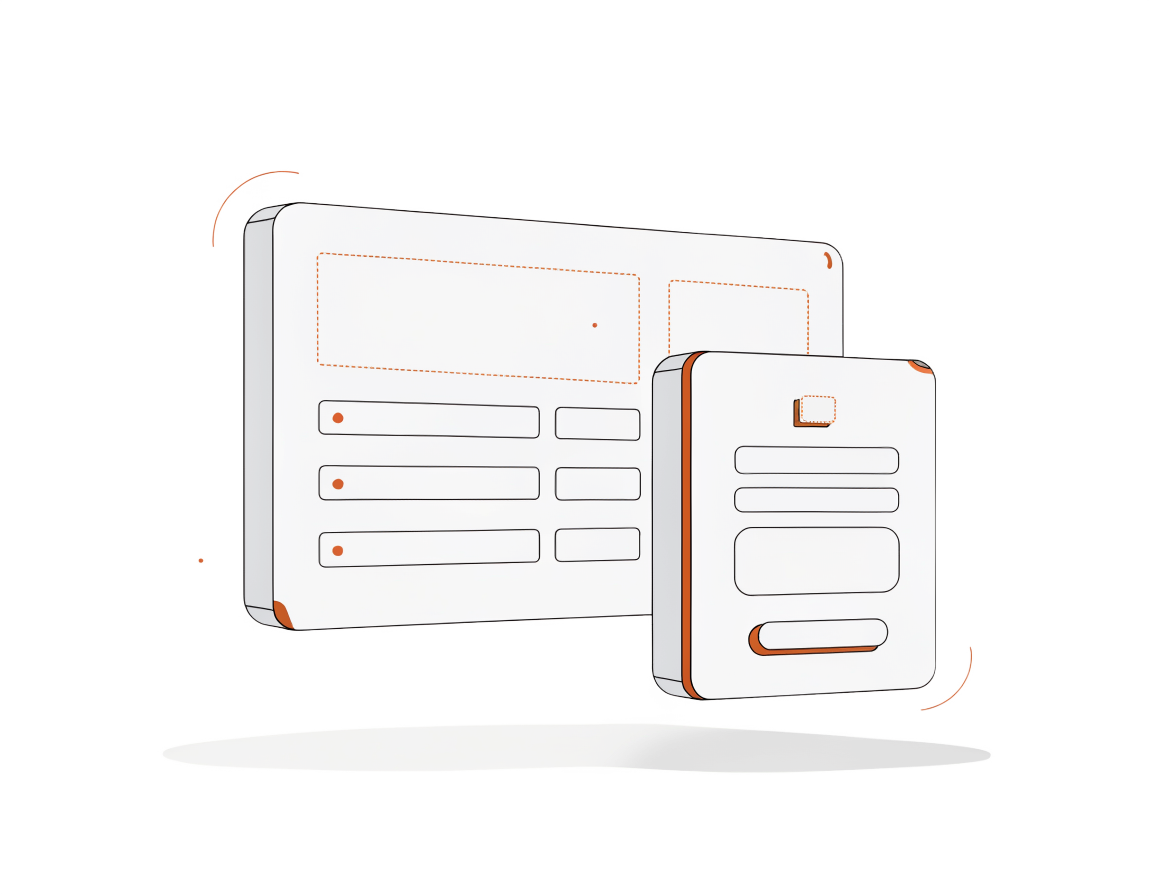
Embedded Checkout — cashier inside the app
Drop an embedded iframe into the upgrade, credit-pack and unlock flow. The member stays on your domain, pays the invoice from their wallet, and it settles to your platform's Paymos balance while your ledger handles the rest. Fits a recurring premium subscription billed as a renewal invoice each cycle, a one-tap credit top-up and a VIP unlock alike.
See details
Payment Links — VIP unlocks and high-tier upgrades
For high-value VIP unlocks or annual upgrades, generate a payment link with a fixed amount and expiry and surface it in-app or over email. The member opens it, pays from the wallet of their choice across the supported networks, and it settles in minutes — no multi-day review the way a card processor handles larger tickets.
See details
Host-to-Host API — your own billing engine
Run your own subscription and credits engine and the host-to-host API exposes create-invoice, watch-confirmations and signed (HMAC-SHA256) webhook delivery across the supported networks. Your billing job issues a renewal invoice each cycle, the member pays it from their wallet, and your ledger logs the subscription, credit-pack and VIP revenue lines in one place.
See detailsDating-platform flows that run cleanly today
Which dating revenue lines run on wallet settlement?
Four flows mapped to the usual dating monetisation mix.
Monthly premium subscription — recurring renewal invoice
At each premium renewal, your system issues a new invoice for the member to authorise from their wallet. Confirmation credits your platform balance. Because no payment method is stored, the member controls every period and an expired card cannot interrupt access.
Credit pack top-up — Embedded Checkout
Pay-to-message and boost credits sell as a one-tap pack. The member buys the pack inside Embedded Checkout, the balance updates in the same flow, and the payment is final on confirmation — so there's no dispute window opening behind a credit purchase the member has already spent.
VIP unlock — Payment Link with expiry
For a high-tier VIP unlock — priority placement, exclusive events, a concierge tier — generate a payment link with a short expiry and a fixed amount. The member opens it, picks their wallet, and pays. The money credits your Paymos balance when the transfer confirms — nothing parked in reserve, no review queue between the unlock and the balance.
Annual upgrade — renewal invoice with mid-term change
A member takes an annual plan, then upgrades mid-term to a higher tier. Your billing engine issues a one-shot invoice for the prorated difference now and sets the next renewal to the higher tier. No downgrade-after-cancel gotchas of the kind card-on-file billing tends to create, and no reconciliation against a card statement on either side.
Adult dating on stablecoin rails
Frequently asked questions
Does Paymos require my dating platform to be licensed or verified?
How are disputes and payment reversals handled on the wallet rail?
How does this work with age-verification laws like Texas HB 1181?
Do dating users pay in stablecoins in practice?
How do refunds and partial credits work end-to-end?
What if a regulator orders you to cut off processing for my dating platform?
Honest disqualifier
When NOT to use Paymos for a dating platform
Four cases where a dating paywall does better on cards.
You depend on App Store or Play in-app purchase
If your dating app lives inside iOS and Android and monetises through App Store or Play in-app purchase, Apple and Google require their billing for digital goods and take their platform cut. Paymos can't replace in-app purchase inside those stores. The fit is your web upgrade flow and web-to-app funnel, where you're free to choose the payment rail and keep more of the subscription.
Your members are mainstream card payers
Dating skews mainstream: most members have a card and no wallet, and a paywall that demands a stablecoin first will cost you matches. The rail earns its keep on the crypto-comfortable slice and in markets where issuers decline dating merchants — offer it as a second option at the upgrade screen, not the only door.
Your lifetime-value math assumes auto-renewing subscriptions
A wallet can't be charged on a schedule — each renewal is an invoice the member actively pays. Engaged members renew; dormant ones lapse instead of silently billing for months. If your unit economics depend on that passive tail, model the difference honestly before moving premium tiers over.
You expect the rail to settle the age-verification question
Where your dating product needs 18+ gating, identity checks or local registration is set by each market you serve — and that analysis is yours, along with the exposure. Paymos doesn't verify your members' age and doesn't rule on whether you may operate; it moves the payment. Close the compliance design first.
Related flows
Other Adult & High-Risk sub-niches on Paymos
Pricing
1.0% per settled charge — 0.3% on request, nothing held in reserve
Same rate for a recurring subscription and a VIP unlock — acceptance gas is inside the 1.0%, withdrawal takes 0, and a subsidised network fee is the only thing you cover there. We go down to 0.3% on how many renewals run and what a subscription is worth; ask from your first month. Adult-specialist card processors run materially higher and sit on your money in reserves for months; teaser-priced crypto gateways advertise near 0.5% yet land around 1.5–2%+ once swap, transfer and the network gas they pass to the merchant are counted.
See pricing